

It can happen when you drink alcohol faster than your body can filter it out of your blood. If you experience an overdose, your doctor will ask you about your drinking habits and health history. Your doctor may also perform additional tests, such as blood tests (to determine your blood a warning sign or symptom of alcohol poisoning is alcohol and glucose levels) and urine tests. After an episode of alcohol intoxication, it takes time to recover. The person will be hospitalized until their vital signs return to normal. Someone who is “just drunk” will be slurring their words, stumbling around, and acting drowsy.
Things you can do to help someone who has drunk too much alcohol
“They would more than likely get a phone number for other resources for alcohol use counseling or substance use counseling,” Dr. Farmer says. In general, the CDC considers “moderate” drinking to be no more than one drink a day for women, and no more than two drinks a day for men. Binge drinking, then, is defined as having four or more drinks on one occasion for women and five or more drinks on one occasion for men.
Alcohol’s effects on the body

The higher your BAC, the greater is the depressant effect on these functions. Alcohol poisoning symptoms are the result of these depressant effects. When somebody consumes an alcoholic drink, their liver has https://ecosoberhouse.com/article/5-great-tips-for-being-sober-around-drinkers/ to filter out the alcohol, a toxin, from their blood. If a person suspects someone has alcohol poisoning they should call an ambulance. They should follow the below advice until medical assistance arrives.
Check if it’s alcohol poisoning
Stings and bites are the most common forms of venom exposure. Chronic exposure may not show symptoms until many years have passed. For example, long-term exposure to toxic gases can cause lung damage. Symptoms that may develop include shortness of breath and chronic wheezing. Long-term radon exposure is a serious problem that can lead to lung cancer. For example, carbon monoxide (CO) is a colorless, odorless gas that’s always poisonous for humans to inhale.
- This guide explains the causes, signs and symptoms, what you can do to stay safe and how you can help others.
- However, death is not the only consequence of excessive alcohol use.
- If you inhale too much CO into your lungs, a dangerous condition known as carbon monoxide poisoning can occur.
- Theories suggest that for certain people drinking has a different and stronger impact that can lead to alcohol use disorder.
- This therapy involves breathing pure oxygen in a chamber with air pressure 2 to 3 times higher than normal.
Arming yourself with strategies and tips can help you or a loved one take small steps towards big results. Living cells or organisms (like plants or animals) produce toxins. Examples of toxins include a snake’s venom and the oils that poison ivy produces.
Binge drinking and high intensity drinking
In other words, the more alcohol you consume, the more at risk you are for alcohol poisoning. Alcohol intoxication, also referred to as drunkenness, ethanol intoxication, or alcohol poisoning in severe cases, is a temporary condition caused by drinking too much alcohol. The amount of alcohol needed for intoxication varies from person to person.
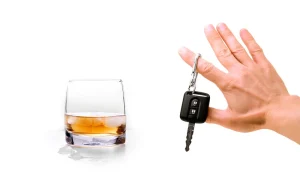
What are the possible complications of alcohol poisoning?
Keep reading to learn more about alcohol intoxication, including its causes, symptoms, and treatments. If you experience an alcohol overdose, your outlook will depend on how severe your overdose is and how quickly you seek treatment. Having a high tolerance for alcohol or drinking quickly (for example, by playing drinking games) can put you at increased risk for an alcohol overdose. Any of these symptoms are signs that immediate medical attention is necessary. At this stage, a person’s BAC will range from 0.25 to 0.4 percent.
- Usually, this is only required in moderate and severe cases.
- If you misuse alcohol, you may have liver damage, even though you have none of the symptoms above.
- In the emergency room, a doctor will check their BAC and look for other signs of alcohol poisoning, such as a slow heart rate and low blood sugar and electrolyte levels.
- The best way to avoid alcohol poisoning is to not drink or to limit your alcohol consumption.
